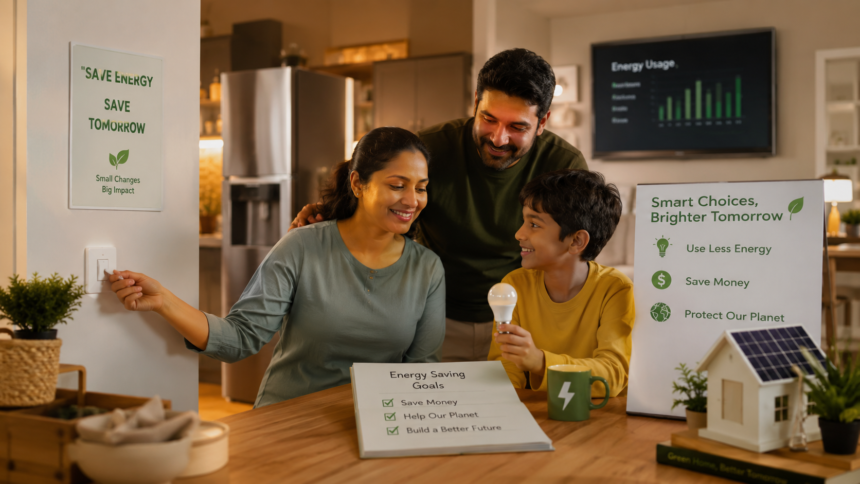
Reducing household energy use is one of the easiest ways to save money and help the environment. Every home uses energy for lighting, heating, cooling, cooking, and running appliances. By making a few smart changes, families can lower their electricity and fuel bills without giving up comfort. This complete guide to reducing household energy use explains simple, practical, and proven ways to use less energy. The tips are easy to understand and suitable for everyone, including beginners.
What Is Household Energy Use?
Household energy use is the amount of electricity, gas, or other energy sources a home uses every day. Energy powers lights, refrigerators, fans, air conditioners, heaters, washing machines, televisions, and many other household items.
Every appliance uses a different amount of energy. Heating, cooling, and water heating are usually the biggest energy users in most homes, while lighting, cooking, and electronics use smaller amounts. Understanding where energy is used helps families make better choices and reduce waste.
Why Reducing Household Energy Use Matters
Reducing household energy use offers many benefits.
First, it lowers monthly utility bills because less electricity and gas are used. Second, it reduces the demand for energy production, which can lower pollution and greenhouse gas emissions. Third, it helps energy resources last longer for future generations. Finally, using energy wisely often makes homes more comfortable because efficient homes stay warmer in winter and cooler in summer.
Check Where Your Home Uses the Most Energy
Before making changes, learn where your home uses the most energy.
In many homes, the largest energy users include:
- Heating and cooling systems
- Water heaters
- Refrigerators
- Washing machines and dryers
- Lighting
- Kitchen appliances
- Televisions and computers
Looking at your monthly energy bill can help you understand your energy use. Some energy companies also provide online tools that show how much energy your household uses each month.
Use Heating and Cooling Wisely
Heating and cooling usually use the most energy in a home.
Keep doors and windows closed while heating or cooling a room. Set the thermostat at a comfortable temperature instead of making it extremely hot or cold. Wear warm clothes in winter before increasing the heater, and use fans whenever possible before turning on the air conditioner.
Cleaning air filters regularly also helps heating and cooling systems work more efficiently.
These simple habits can greatly reduce household energy use.
Switch to Energy-Efficient Lighting
Lighting is an easy place to save energy.
Replace old incandescent bulbs with LED bulbs. LED lights use much less electricity while producing the same amount of light. They also last much longer, so they do not need to be replaced as often.
Remember to turn off lights whenever you leave a room. During the daytime, open curtains and let natural sunlight brighten your home instead of using electric lights.
Energy-efficient lighting is one of the quickest ways to reduce household energy use.
Choose Energy-Efficient Appliances
Older appliances often use more electricity than newer energy-efficient models.
When buying a new refrigerator, washing machine, dishwasher, or air conditioner, look for products with recognized energy-efficiency labels or ratings. These appliances are designed to perform the same tasks while using less energy.
Although efficient appliances may cost more at first, they often save money over time through lower energy bills.
Reduce Standby Power
Many electronic devices continue using electricity even when they appear to be turned off. This is called standby power or “phantom power.”
Televisions, gaming consoles, chargers, printers, and computers may continue drawing small amounts of electricity when plugged in.
To reduce standby power:
- Unplug devices when not in use.
- Use power strips with switches.
- Turn off electronics completely before leaving home or going to bed.
These small actions can reduce unnecessary energy use throughout the year.
Save Energy While Using Water
Heating water requires a lot of energy.
Take shorter showers instead of long ones. Fix leaking hot water taps quickly because dripping hot water wastes both water and energy. Wash clothes with cold water whenever suitable, since many modern detergents clean well without hot water.
Only run dishwashers and washing machines when they are full. This reduces the number of cycles needed and saves both water and energy.
Improve Home Insulation
Good insulation helps keep warm air inside during winter and hot air outside during summer.
Common ways to improve insulation include:
- Sealing gaps around windows and doors.
- Adding weather stripping.
- Repairing cracks where air leaks occur.
- Improving roof or attic insulation.
Better insulation reduces the amount of work heating and cooling systems must do, lowering household energy use while making the home more comfortable.
Use Kitchen Appliances Efficiently
Cooking can use a significant amount of energy if appliances are not used wisely.
Keep oven doors closed while baking because opening the door lets heat escape. Cook several dishes at once when possible. Match the size of pots and pans to the burner size on the stove.
Microwaves, pressure cookers, and air fryers often use less energy than large ovens for smaller meals.
These simple cooking habits help reduce household energy use without changing what you eat.
Make Better Laundry Habits
Laundry uses electricity for washing and drying.
Wash full loads whenever possible. Use cold water for everyday clothing if the fabric allows it. Clean the lint filter in the dryer after every load so it works efficiently.
When weather permits, dry clothes outside instead of using a clothes dryer. Sunlight and fresh air can dry clothes naturally without using electricity.
These habits save energy while helping clothes last longer.
Use Refrigerators Efficiently
Refrigerators run all day and all night, making them one of the biggest energy users in many homes.
Keep refrigerator doors closed as much as possible. Check door seals regularly to make sure cold air does not escape. Allow hot food to cool before placing it inside. Keep the refrigerator reasonably full, but do not overload it because air must circulate properly.
Regular cleaning also helps the refrigerator operate efficiently.
Build Energy-Saving Habits
Daily habits make a big difference.
Simple examples include:
- Turn off lights when leaving a room.
- Turn off fans in empty rooms.
- Unplug chargers after use.
- Open windows when outdoor temperatures are comfortable.
- Close curtains during hot afternoons.
- Turn off televisions and computers when nobody is using them.
These habits cost nothing but can reduce household energy use every day.
Teach the Whole Family
Reducing household energy use works best when everyone helps.
Children can learn to turn off lights, close doors, unplug chargers, and avoid wasting electricity. Adults can explain why saving energy is important and encourage everyone to follow simple energy-saving rules.
Working together creates lasting habits that benefit the entire household.
Monitor Your Energy Use
Tracking energy use helps you know whether your efforts are working.
Compare your monthly energy bills to previous months. If your bills become lower while your family’s lifestyle stays similar, your energy-saving habits are working.
Some smart meters and utility companies also provide detailed information about daily electricity use, making it easier to identify where energy is being wasted.
Avoid Common Energy-Wasting Mistakes
Many homes waste energy without realizing it.
Common mistakes include:
- Leaving lights on in empty rooms.
- Keeping chargers plugged in all day.
- Opening refrigerator doors too often.
- Running washing machines with very small loads.
- Ignoring air leaks around doors and windows.
- Using old, inefficient appliances.
- Setting heating or cooling systems to extreme temperatures.
Avoiding these mistakes helps lower energy use with very little effort.
Create a Long-Term Energy-Saving Plan
Reducing household energy use is easier when improvements happen step by step.
Start with free changes like turning off lights and unplugging electronics. Next, improve insulation and replace old light bulbs with LEDs. Later, when appliances need replacing, choose energy-efficient models.
Making gradual improvements allows families to reduce energy use without large costs all at once.
Conclusion
This complete guide to reducing household energy use shows that saving energy does not have to be difficult. Small daily actions, such as turning off unused lights, unplugging electronics, washing full loads of clothes, using cold water, and improving home insulation, can make a noticeable difference. Heating and cooling systems, water heaters, and major appliances usually consume the most energy, so improving their efficiency brings the greatest savings. Choosing energy-efficient appliances and LED lighting also helps lower electricity use over time.
The best results come from building consistent habits. Every family member can play a role by using electricity responsibly and avoiding waste. Monitoring energy bills helps track progress and encourages continued improvement. By following the practical steps in this complete guide to reducing household energy use, households can enjoy lower energy costs, a more comfortable home, and a positive impact on the environment. Even small changes, when practiced every day, add up to significant long-term energy savings for both families and the planet.